
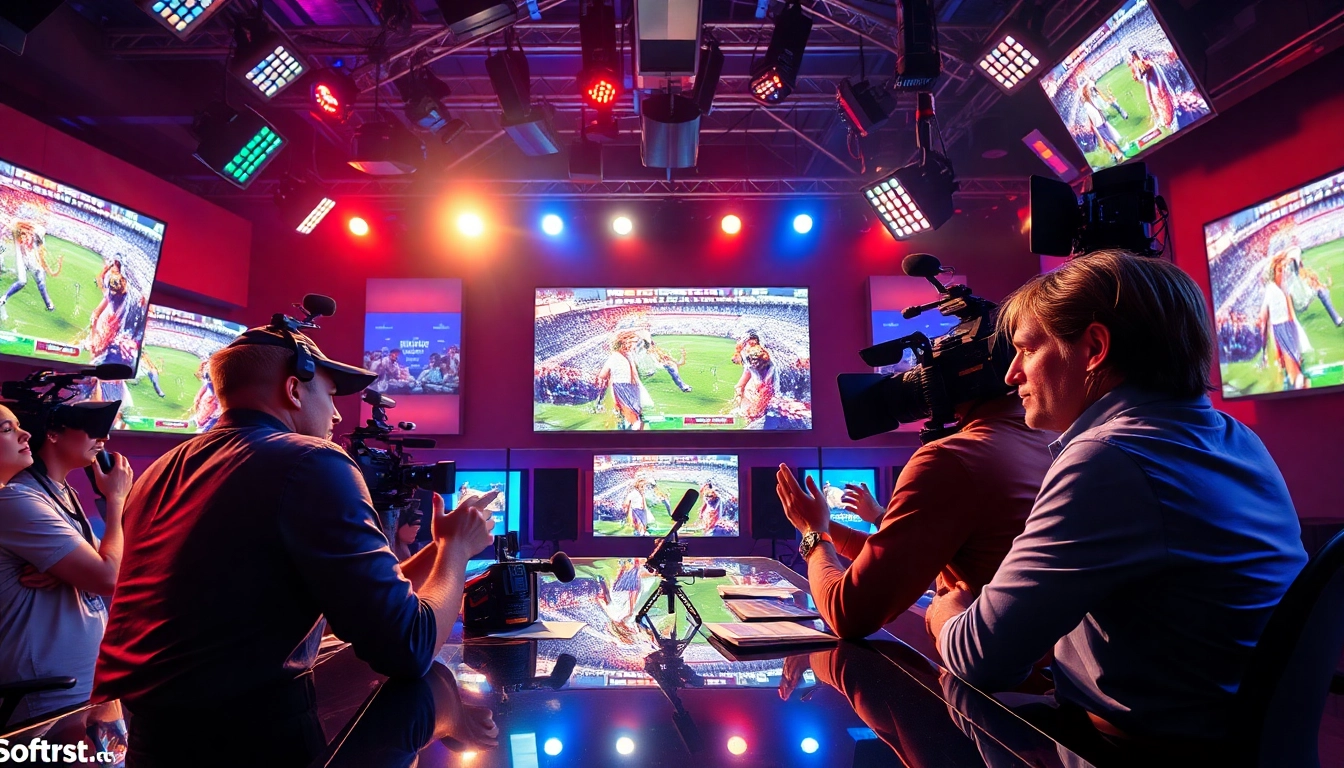
Understanding Sports Broadcasting
Sports broadcasting has evolved dramatically over the years, transitioning from humble beginnings to a sophisticated global industry. It plays a crucial role not only in entertainment but also in the cultural fabric of societies around the world. With the advent of technology and the rise of digital platforms, the landscape of Sports Broadcasting has been reshaped, providing audiences with diverse viewing options, enhanced experiences, and new ways to engage with their favorite sports.
The Evolution of Sports Broadcasting
Initially, sports broadcasting began with radio broadcasts in the early 20th century, allowing fans to grasp the thrill of live sports events from the comfort of their homes. Television took this further, making it possible to visually connect with athletes and games. The introduction of color broadcasting and cable television vastly expanded the audience reach. Today, streaming platforms have disrupted traditional broadcasting methods, offering live sports content on demand.
Key Technologies in Sports Broadcasting
Technological advancements have significantly influenced sports broadcasting. High-definition and 4K technologies offer clearer and more immersive viewing experiences. Additionally, augmented reality (AR) and virtual reality (VR) are changing how audiences consume sports. AR can provide real-time stats and information superimposed on live footage, while VR offers fans a chance to experience events as if they were present at the venue. Furthermore, the use of drones enhances coverage by providing stunning aerial views of sporting events.
Audience Engagement Strategies
Engaging audiences in sports broadcasting is not just about broadcasting the event; it’s about creating an interactive experience. Social media platforms are vital for real-time interaction, allowing fans to contribute their thoughts and share experiences during live matches. Broadcasters utilize polls, viewer comments, and live chats to keep audiences active and involved. Collaborating with influencers and creating shareable content also boosts viewer engagement significantly.
Essential Skills for Sports Broadcasters
Communication and Presentation Techniques
Effective communication is foundational for any sports broadcaster. They must deliver content clearly and confidently, capturing the attention of their audience. Presenters should enhance storytelling through their tone and body language while remaining authentic. Mastering the art of concise, engaging commentary is essential, especially during fast-paced events where every second counts.
Research and Content Preparation
Preparation is key to success in sports broadcasting. Broadcasters need extensive knowledge about the teams, players, and underlying statistics. Effective research helps presenters craft narratives around the games, enhancing viewer engagement and maintaining credibility. Utilizing data analytics ensures that commentators can provide insightful analysis during broadcasts, enriching the viewer’s experience.
Adapting to Live Events
Sports broadcasting largely revolves around live events, where unpredictability is the norm. Broadcasters must be adaptable, ready to respond to unexpected developments such as injuries or last-minute strategy changes. Quick thinking and the ability to pivot their commentary appropriately are crucial skills that distinguish successful sports broadcasters from the rest.
Challenges in Sports Broadcasting
Technical Issues and Solutions
One of the most significant challenges in sports broadcasting is dealing with technical difficulties. Issues like signal interruptions, equipment malfunctions, and poor transmission quality can disrupt the viewing experience. Investing in high-quality equipment, backup systems, and regular training for the technical crew are essential strategies to mitigate these risks and ensure seamless broadcasts.
Maintaining Viewer Engagement
The competition for viewer attention is intense. Broadcasters must consistently innovate and provide unique content to retain audiences. This could mean integrating behind-the-scenes material, interviews with players and coaches, or detailed analysis leading into critical play segments during a game. Adapting to viewer preferences, like shorter highlight reels or in-depth stats focused on player performance, can enhance viewer engagement.
Ethics and Responsibilities
With the power to influence public opinion comes great responsibility. Sports broadcasters must adhere to ethical standards, ensuring that they represent facts accurately and avoid bias. By fostering responsible reporting practices, broadcasters build trust with their audience, which is paramount in an era where misinformation can spread rapidly.
Examining Broadcast Formats
Television vs. Online Broadcasting
Television has traditionally been the cornerstone of sports broadcasting, but the rise of online platforms is reshaping viewer habits. While television offers a more linear experience, online broadcasting allows for on-demand viewing and the flexibility of choice. Balancing both formats is critical for broadcasters in reaching diverse demographics effectively.
Podcasts and Radio Broadcasting
Podcasts and radio remain relevant in the sports broadcasting ecosystem, offering deep dives into topics often overlooked during traditional broadcasts. They appeal to audiences seeking in-depth analysis and storytelling. Successful sports podcasts leverage guest appearances, data storytelling, and interactive sessions with listeners to create a loyal following.
Social Media’s Role in Broadcasting
Social media is a powerful tool for sports broadcasters to distribute their content and engage with audiences. Live-tweeting during events and sharing highlights on platforms like Instagram and TikTok caters to the growing trend of audience desire for quick, digestible content. By creating sharable content and engaging directly with fans, broadcasters can amplify their reach and visibility.
Future Trends in Sports Broadcasting
The Impact of Virtual Reality
Virtual reality is forecasted to revolutionize sports broadcasting, offering fans unprecedented access to live events. Major sporting leagues are already experimenting with VR technology for fans to experience games from different angles, enhancing overall immersion. This development exemplifies how innovation can reshape spectator experiences and engagement levels.
Data and Analytics in Broadcasting
Data analytics is transforming sports broadcasting by enabling on-screen graphics and real-time stats that enhance viewer understanding. Broadcasters harness big data to cater tailored content and analyses based on viewer preferences, thereby personalizing viewer experiences and increasing overall satisfaction.
Emerging Platforms and Technologies
Emerging platforms like mobile apps and social media networks serve as formidable rivals to traditional broadcasting channels. These platforms facilitate user-generated content that resonates with younger audiences. As technology progresses, broadcasters must explore various avenues beyond conventional methods, ensuring they remain relevant in a fast-evolving digital landscape.
Frequently Asked Questions
What skills are essential for a sports broadcaster?
Essential skills for sports broadcasters include effective communication, in-depth research capabilities, and adaptability to live events. Mastering these can enhance viewer engagement and ensure a successful broadcasting experience.
How has technology changed sports broadcasting?
Technology has revolutionized sports broadcasting through HD and VR capabilities, offering immersive viewing experiences. Additionally, social media has transformed audience interaction, enhancing real-time fan engagement.
What are the main challenges faced in sports broadcasting?
Main challenges include technical issues during live events, maintaining viewer engagement amid competition, and adhering to ethical standards in reporting and commentary.
What are the benefits of online sports broadcasting?
Online sports broadcasting enables on-demand viewing, greater flexibility for audiences, and often more interactive content. This format appeals to a younger demographic that prefers engaging with content online.
What trends should we expect in future sports broadcasting?
Future trends may include increased use of VR technology, the growth of data-driven analytics for enhanced viewer insights, and expanded content on emerging digital platforms beyond traditional broadcasting.