
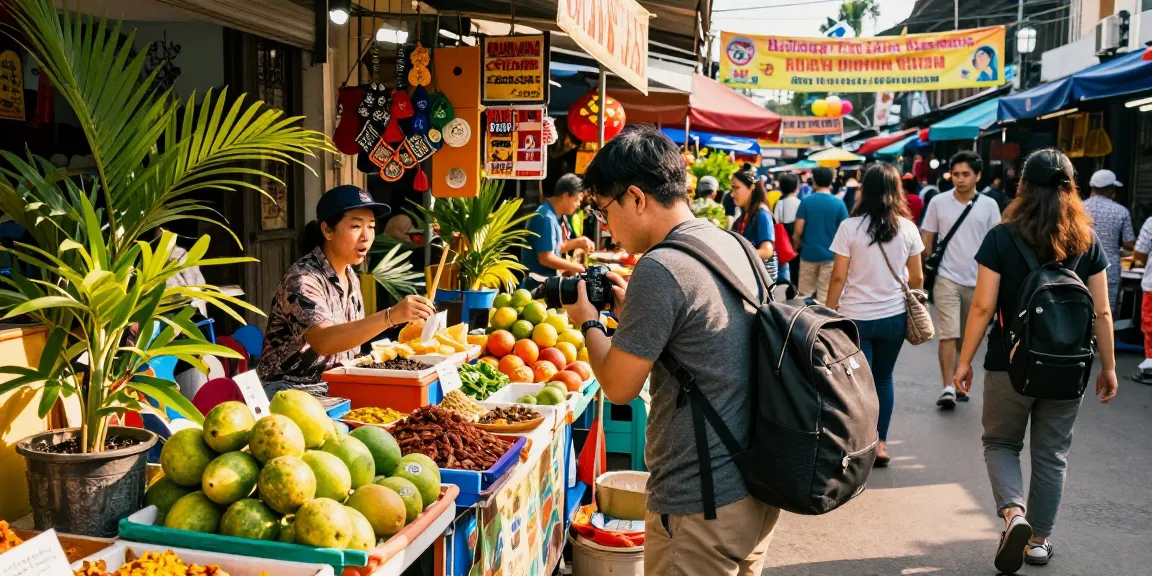
Understanding Vietnamese Culture for Travelers
Vietnam is a vibrant country rich in history, culture, and traditions, offering travelers a unique experience that combines the old with the new. From bustling cities to serene rural landscapes, Vietnamese culture is a tapestry woven with centuries of influences that invite exploration. Whether you're wandering through ancient temples or enjoying a meal with a local family, understanding the cultural nuances will enhance your journey. For comprehensive insights into planning your visit, consider exploring https://joeyvisavietnam.com/ as a valuable resource.
Key Cultural Customs and Traditions
In Vietnam, cultural customs play an essential role in everyday life. Respect for family and ancestors is paramount, with many households displaying altars for ancestor worship. Festivals such as Tet, the Lunar New Year, are celebrated with vibrant decorations, feasts, and family gatherings, emphasizing a deep connection to heritage. Additionally, the Vietnamese practice of "face-saving" in social interactions highlights the importance of maintaining harmony and respect in communication.
Essential Language Phrases for Communication
While many Vietnamese people in urban areas speak English, understanding a few key phrases will greatly enhance your interaction with locals. Here are some essential phrases:
- Xin chào: Hello
- Cảm ơn: Thank you
- Xin lỗi: Sorry
- Tôi không hiểu: I don’t understand
- Bạn có nói tiếng Anh không? Do you speak English?
Utilizing these phrases not only facilitates better communication but also shows respect for the local culture.
Common Misconceptions About Vietnam
Many travelers harbor misconceptions about Vietnam. One common myth is that the country is entirely war-torn and unsafe. In reality, Vietnam is a peaceful destination with a welcoming attitude towards tourists. Additionally, some believe that Vietnamese cuisine is solely composed of pho; however, the culinary landscape is diverse, featuring a plethora of dishes influenced by regional ingredients and historical contexts.
Planning Your Trip to Vietnam
Effective trip planning is crucial to fully enjoy what Vietnam has to offer. From climate considerations to cultural events, understanding fundamental travel logistics will set the stage for a memorable experience.
Best Times to Visit Vietnam
The ideal time to visit Vietnam depends largely on the region you're exploring. Northern Vietnam is best enjoyed from October to April when temperatures are cooler. Central Vietnam has a tropical climate, making spring (March to May) an excellent choice, while Southern Vietnam's dry season lasts from December to April. Travelers should also consider local festivals, which can offer unique cultural experiences.
Key Destinations and Must-See Attractions
Vietnam boasts a variety of attractions that cater to all types of travelers. Key destinations include:
- Hanoi: The capital city, known for its centuries-old architecture and a rich culture influenced by Southeast Asian, Chinese, and French colonial heritage.
- Halong Bay: Famous for its emerald waters and thousands of towering limestone islands topped with rainforests.
- Ho Chi Minh City: A bustling metropolis offering a mix of modern skyscrapers and historical sites.
- Hoi An: A well-preserved ancient town that reflects the influences of different cultures.
Travel Safety and Health Tips
Traveling in Vietnam is generally safe, but it’s essential to take standard precautions. Always be cautious of your belongings, especially in crowded areas. Health-wise, make sure to stay hydrated and consider purchasing travel insurance that covers health and cancellations. Additionally, consult with a healthcare provider about necessary vaccinations before you go.
Culinary Adventures in Vietnam
Your journey through Vietnam would be incomplete without delving into its rich culinary scene, characterized by fresh ingredients and unique flavors.
Traditional Dishes You Must Try
Vietnamese cuisine is a delightful blend of flavors, textures, and ingredients. Some traditional dishes include:
- Pho: A fragrant noodle soup served with beef or chicken.
- Bánh mì: A delicious sandwich made with a French baguette, filled with a variety of meats, vegetables, and condiments.
- Gỏi cuốn: Fresh spring rolls packed with shrimp, herbs, and rice vermicelli.
- Cơm tấm: Broken rice served with grilled pork, pickled vegetables, and fish sauce.
The Street Food Scene Explained
Vietnam's street food culture is thriving, reflecting the country’s culinary diversity. Street vendors offer a wide array of dishes that are not only delicious but also affordable. Be adventurous and try local specialties from food stalls that are usually bustling with customers. This is often a sign of quality and freshness.
Dining Etiquette and Customs
Understanding dining etiquette can enhance your experience in Vietnam. It is customary to share dishes among diners rather than ordering individual meals. When eating, locals often use chopsticks, and you might be offered a bowl of rice or noodles to enjoy with communal dishes. Respectful gestures such as waiting for the eldest person to start the meal can also be appreciated.
Experiencing Local Lifestyle in Vietnam
Immersing yourself in the local lifestyle provides insight beyond the typical tourist experience. Engaging with communities can be rewarding and enlightening.
Participating in Local Festivals and Events
Vietnam boasts numerous festivals throughout the year, celebrating various aspects of its culture. Participating in events like the Mid-Autumn Festival or Tet can deepen your understanding of Vietnamese traditions. These festivals often include food, traditional music, and communal activities, making them vibrant and lively occasions to witness.
Volunteer Opportunities and Community Engagement
For those looking to make a difference, Vietnam offers various volunteer opportunities ranging from teaching English to supporting environmental projects. Engaging with locals through such initiatives allows for a more meaningful travel experience and fosters connections that can last a lifetime.
Connecting with Local Families and Communities
Staying with local families through homestays can provide an authentic glimpse into daily life in Vietnam. It offers the chance to share meals, learn recipes, and engage in conversations that reveal the nuances of Vietnamese culture. Building these relationships can lead to lifelong friendships and a deeper appreciation for the country's heritage.
Future Trends in Vietnamese Tourism
The tourism landscape in Vietnam is continually evolving, influenced by global trends and local innovations that shape the experiences available to travelers.
Eco-Tourism and Sustainable Travel Practices
As environmental concerns grow, eco-tourism is becoming an integral part of Vietnam's tourism strategy. Visitors are increasingly looking for sustainable options, with many local operators promoting eco-friendly practices. From responsible wildlife interactions to conservation initiatives, eco-tourism helps preserve Vietnam's natural beauty while supporting local communities.
Technological Advancements in Travel Planning
The digital age has transformed how travelers plan their trips. With the rise of travel apps and online booking platforms, travelers can now access a wealth of information at their fingertips, enabling them to make informed decisions about their itineraries, accommodations, and local experiences. Innovations in technology continue to streamline the travel process, enhancing the overall experience.
Traveler Expectations and Industry Adaptations for 2026
By 2026, travelers are expected to prioritize personalized experiences and authentic interactions over traditional sightseeing. The tourism industry in Vietnam is likely to adapt by offering tailored itineraries that focus on local culture, cuisine, and sustainable practices. Enhanced connectivity and accessibility will further enable travelers to venture beyond the popular tourist spots, discovering hidden gems throughout the country.
What are the best travel tips for Vietnam?
Traveling to Vietnam requires some preparation. Here are a few tips to consider:
- Bring comfortable clothing suitable for warm weather.
- Learn some basic Vietnamese phrases to enhance communication.
- Keep your belongings secure and be aware of your surroundings.
- Taste local dishes and explore various regional cuisines.
How can I connect with locals while traveling?
Connecting with locals can be done through various means, such as participating in workshops, attending community events, or opting for homestays. Engage in conversations and express genuine interest in their culture to foster meaningful connections.
What traditional dishes should I try in Vietnam?
Be sure to taste iconic dishes like pho, bánh mì, and gỏi cuốn. Each region in Vietnam offers unique culinary specialties, so exploring different areas can introduce you to a wider array of flavors.
What are the safety tips for first-time travelers?
First-time travelers to Vietnam should stay vigilant against petty crimes, avoid showing valuables in public, and understand local traffic rules. Always have a local SIM card for navigation and emergencies, and stay informed about health advisories.
When is the best time to visit Vietnam?
Optimal travel times vary by region; October to April is ideal for the north, while the central region is best explored in spring. In the south, the dry season from December to April offers the most comfortable conditions for traveling.